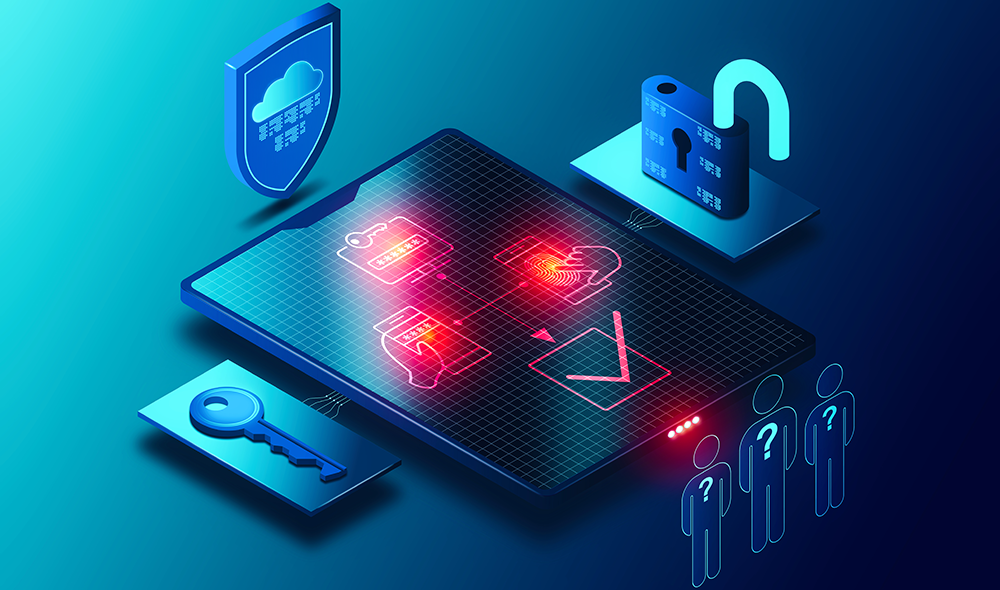
Businesses exchange documents every day, from contracts and financial records to customer information and internal reports. While digital file sharing makes collaboration faster, it can also create security and privacy risks when sensitive information is transmitted through poorly protected channels. A well-designed secure document exchange offered by ETHERFAX helps organizations reduce these risks while allowing employees, customers, and business partners to share information efficiently.
Secure document exchange is not simply about choosing a file-sharing platform. It involves combining appropriate technology, access controls, encryption, employee awareness, monitoring, and clear procedures.
Understand What Information You Are Sharing
The first step is identifying the types of information your organization exchanges. Not every document requires the same level of protection.
Sensitive information may include financial records, personally identifiable information, customer data, intellectual property, employee records, contracts, or confidential business plans. Organizations should understand where sensitive information is stored, who needs access to it, and how it moves between internal and external parties.
NIST recommends considering the protection requirements of information before, during, and after an exchange and tailoring security measures to the organization’s specific risks.
Use Encryption
Encryption is one of the most important protections for sensitive documents. It helps prevent unauthorized parties from reading information if files or communications are intercepted.
Organizations should consider protection both while files are being transmitted and while they are stored. CISA recommends encrypting devices, storage media, and relevant files to strengthen data protection.
When evaluating a document exchange solution, review how it protects information in transit and at rest. Security specifications should be clearly documented rather than assumed based on a provider’s marketing language.
Control Who Can Access Documents
A secure document exchange system should make it possible to control who can view, download, modify, or share files.
Use the principle of least privilege by providing users with only the access they need to perform their responsibilities. Avoid giving every employee access to every shared folder or document.
Multi-factor authentication can provide an additional layer of protection for accounts. CISA recommends using MFA where possible, particularly for services and accounts that provide access to important systems and information.
Verify Recipients Before Sending
Technology cannot completely eliminate human error. A document can still be sent to the wrong person if employees select an incorrect email address or sharing account.
Establish a process for verifying recipients before sending sensitive files. For highly confidential information, consider requiring an additional confirmation step or using access-controlled links instead of unrestricted attachments.
Employees should also be trained to recognize phishing attempts and suspicious sharing requests.
Set Expiration and Access Rules
Not every recipient needs permanent access to a document. Where appropriate, organizations can use features such as link expiration, download restrictions, password protection, and revocation of access.
For example, a document containing confidential information for a temporary project may only need to remain accessible until the project is complete. Removing access afterward can reduce unnecessary exposure.
These controls are particularly useful when sharing files with external contractors, clients, vendors, or other organizations.
Maintain Audit Trails
Visibility is an important part of secure document exchange. Audit logs can help organizations determine who accessed a file, when it was accessed, and what actions were performed.
Monitoring can also help identify unusual behavior, such as repeated failed login attempts or unexpected downloads. NIST highlights monitoring as an important consideration for ensuring that file exchanges remain properly protected.
Logs can be valuable when investigating security incidents or reviewing whether internal policies are being followed.
Choose a Trusted Exchange Solution
Organizations should evaluate document-sharing providers carefully. Look at security controls, authentication options, encryption, access management, audit capabilities, backup practices, data retention policies, and administrative controls.
Avoid selecting a platform solely because it is inexpensive or convenient. The best solution should balance security with usability. If a system is excessively complicated, employees may look for less secure alternatives.
NIST recommends selecting file-exchange solutions based on both security and usability and providing users with appropriate training.
Train Employees Regularly
Even strong technology can be undermined by poor security practices. Employees should understand how to share sensitive files safely, verify recipients, recognize suspicious requests, and report potential incidents.
Training should be practical and relevant to the tools employees actually use. Clear internal policies can also explain which services are approved for confidential document sharing and which methods should be avoided.
Keep Systems and Procedures Updated
Security requirements and cyber threats change over time. Organizations should periodically review their document exchange processes, remove unnecessary user access, update software, and reassess vendors.
Regular reviews can identify outdated procedures or permissions that are no longer necessary.
Final Thoughts
A strong secure document exchange strategy combines technology and responsible business practices. Encryption, access controls, MFA, recipient verification, expiration settings, monitoring, employee training, and careful vendor selection can all contribute to safer file transfers.
Rather than relying on a single security feature, organizations should create a layered approach based on the sensitivity of the information they handle. By regularly reviewing both technology and employee practices, businesses can make document sharing more secure without sacrificing the convenience that digital collaboration provides.