Read this to learn what MFA is, why it’s so important to your cybersecurity, and the 8 advantages of implementing MFA into your security system. Cyber threats are increasingly on the rise in a digital environment. Carrying out online transactions and visiting sensitive information on the internet presents threats to organizations, including stolen passwords, phishing attacks, and illegal access to the information. A single compromised account can cause serious breaches, financial loss or damage to a reputation even with the strongest of security measures. No system can be protected using a single security layer, it must be multi-layered to prevent an attacker from getting in and to help keep workflows simple and employees productive.
This is why a lot of businesses seek out knowledgeable suppliers for proactive managed IT services in Minneapolis to enhance their security overall. One of the most powerful protection measures they take is Multi-Factor Authentication (MFA), which is an additional layer of security when logging in, e.g., a password and a code sent to a phone or a biometric scan. This straightforward yet effective method cuts the risk of unauthorized access and boosts the security of systems and accounts.
Multi-Factor Authentication: What is it?
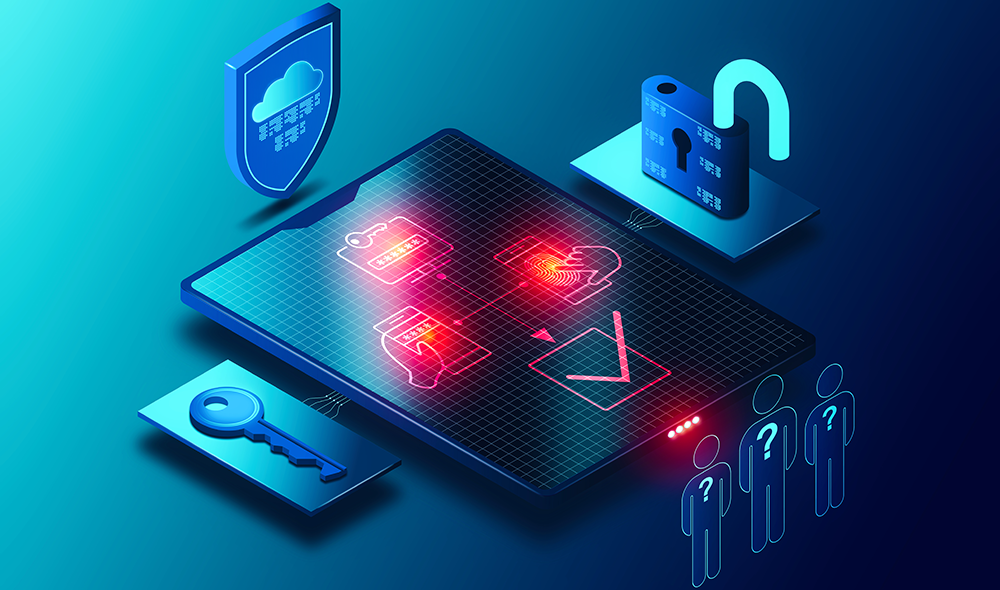
Multi-Factor Authentication (MFA) is a security protocol that asks users to provide two or more forms of authentication to log into an account or system. These steps can involve a password, a mobile device or security token or a fingerprint. The MFA provides an additional layer of verification, which greatly decreases the likelihood of unauthorized access.
The importance of MFA in cybersecurity
No longer can the only account protection be a password and sensitive data. Phishing, credential stuffing, and brute force logins are just a few methods cybercriminals use daily to pilfer logins, which can trigger data breaches, financial loss, and reputational harm to organizations.
Multi-Factor Authentication (MFA) is an additional security measure that helps ward off these attacks. MFA uses two or more verification factors, including a one-time code in addition to a password or biometric verification, which means that only those with the authorization can access the accounts. Here are some of the key reasons why MFA is essential:
- Prevents Unauthorized Access: Even if passwords are compromised, it will be impossible for an attacker to access without the second factor.
- Secures Remote Work Environments: MFA provides secure access from anywhere, with additional users gaining access to systems remotely.
- Lowers Breach Risk: Up to 99% fewer account compromises for organizations implementing MFA.
- Implements Zero-Trust Security Models: MFA is used for verifying identity at each access point, not just once.
Making a commitment to investing in MFA is a straightforward but effective measure in the fight against cybersecurity.
Multi-Factor Authentication is crucial to the field of cybersecurity
In the world of cybersecurity, multi-factor authentication (MFA) is indispensable.
1. Prevents Password-Based Attacks
Passwords are still one of the most common avenues of attack in cybersecurity. Many attacks are successful due to the weakness, reuse, or exposure of the password, using common password attack methods. Multi-Factor Authentication enhances access security to make sure that merely a password is not sufficient to gain access.
This extra layer of security makes password attacks much less effective and restricts access to the site by others. Organizations get better levels of protection and users don’t have to endure excessive effort.
2. Minimizes the chances of identity theft
Credential theft is still a significant security threat in the digital world. Once an attacker gets credentials, he/she tries to use them on other platforms.
MFA increases this risk by requiring another verification step that can’t be completed with stolen credentials. This will give the organisations control over access and will minimize the effects of leaked or compromised login information. It also enhances the identity verification system trust.
3. Protects Sensitive Data
Business and customer information must be protected with robust security measures to ensure its safety. By limiting access to only authorized users, MFA is a crucial measure for safeguarding this information.
With greater authentication, organizations have a better chance of preventing unauthorized people from viewing, editing, or stealing confidential data. This additional security measure helps ensure data confidentiality and enhances trust in internal systems and digital platforms.
4. Enhances Regulatory Compliance
Good access control and identity protection are increasingly a key part of regulatory needs. MFA meets these expectations by enhancing the security of authentication and minimising risk in accessing the authentication. Having MFA as part of an organisation’s cyber security strategy is a sign of a proactive approach to compliance.
This will help to ensure consistent security practices and ease compliance reviews and minimize the risk of regulatory fines. Some of the essential compliance advantages are:
- Improved access control management
- Better fit to security standards
- Lower hazard of not conforming.
- Better audit readiness
5. Minimizes financial losses due to breaches
The consequences of security breaches can be severe, with disruption to operations and financial costs for recovery. By blocking unauthorized access at the beginning of the attack process, MFA can help minimize the risk of these types of incidents occurring. Organizations can reduce the chance of extensive damage and loss by restricting access to the account center. This proactive security control helps to improve the predictability of operations and security incident cost reduction over time.
6. Secures Remote Access
Gone is the era of working in the office—remote access is now commonplace, meaning that access security is more important than ever. MFA enhances security for users who log in to systems from outside traditional networks.
It helps to keep access secure, whether from home or on a mobile device. This uniformity of protection enables organizations to have the ability to assist flexible work designs while retaining robust cyber security measures at every access point. This extensive workbook on business network infrastructure design and management delves into creating a resilient and structured network foundation to understand its role in securing remote access within a comprehensive security landscape.
7.Improves User Accountability
Having clear accountability is key to having a secure system. MFA can help increase visibility of user activity and ensures only users that pass the identity verification receive access. This bolsters confidence of actions within systems being linked to valid users.
Greater accountability enables enhanced monitoring and quicker detection of suspicious behavior and more robust access management throughout the organisation. The advantages of accountability are:
- Improved user access verification.
- Enhanced access control to system resources
- Enhanced security surveillance technology
- Improved control over authentication operations.
8. Builds Customer Trust
Customers demand that organisations responsibly protect their data and systems. MFA reflects a high level of commitment to Cyber Security and responsible data handling.
By focusing on secure access, businesses can foster customer trust and confidence. In the context of a security-aware digital landscape, this trust is crucial for long-term relationships, brand reputation, and business credibility.
Final Words
Multi-Factor Authentication is an important component in the protection of today’s digital world. With the prevalence of credential-based attacks, MFA will provide a much-needed layer of security that helps to enhance access control, secure sensitive data, and enhance user accountability. MFA not only helps organizations establish a more resilient security stance in today’s threat landscape, but it also helps ensure trust and support compliance initiatives.